
About the AALE Project
AALE in a Nutshell ℹ️
Advancing Agency in Language Education, or the AALE project, is a collaborative cross‑Canadian research initiative committed to strengthening teacher agency in the design, use, and implementation of action‑oriented, technology‑mediated, and plurilingual pedagogies.
Grounded in a shared commitment to more inclusive and equitable language education, this partnership brings together researchers from the University of Toronto, York University, the University of Ottawa, and McGill University, with support from the Social Sciences and Humanities Research Council of Canada.
Project Background 🔍
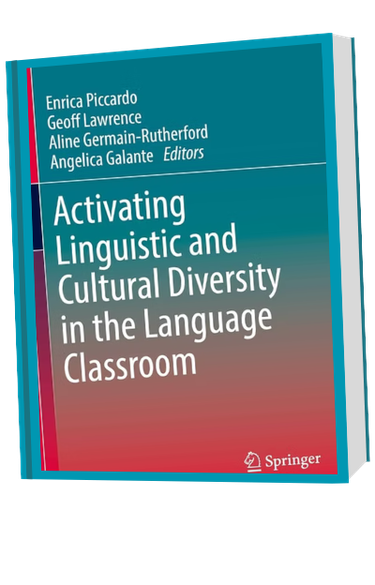
The LINCDIRE Project
Our project originated from The LINCDIRE (The LINguistic and Cultural DIversity REinvented (https://www.lincdireproject.org/) project, which developed and piloted an innovative pedagogical framework embedding an action-oriented, technology-mediated, and plurilingual approach. This approach was structured around real-life scenarios and supported by an interactive website and an online portfolio e-portfolio with reflective and interactive self-assessment tools.
LINCDIRE Results
The LINCDIRE results confirmed that the pedagogical resources developed encouraged plurilingual attitudes and behaviour, learner engagement, and action-oriented, collaborative language learning. The data also provided evidence that some teachers were able to develop a sense of agency and openness towards innovative approaches to pedagogy.
Advancing Agency in Language Education (AALE)
One of the LINCDIRE projects’ findings was that, while some teachers developed a sense of agency and openness towards innovative pedagogies, others were more hesitant and tended to rely on traditional activities driven by decontextualized grammar and vocabulary in a monolingual perspective. Investigating this critical issue in collaboration with teachers is the main goal of the project Advancing Agency in Language Education (AALE). We aim to further understanding of the nature of teacher agency, within specific teaching and sociopolitical contexts, to inform effective strategies and modalities for professional development.
AALE: A Canadian Project 🇨🇦
0
Provinces
0
Linguistically Diverse Areas
0
Languages
0+
Participants
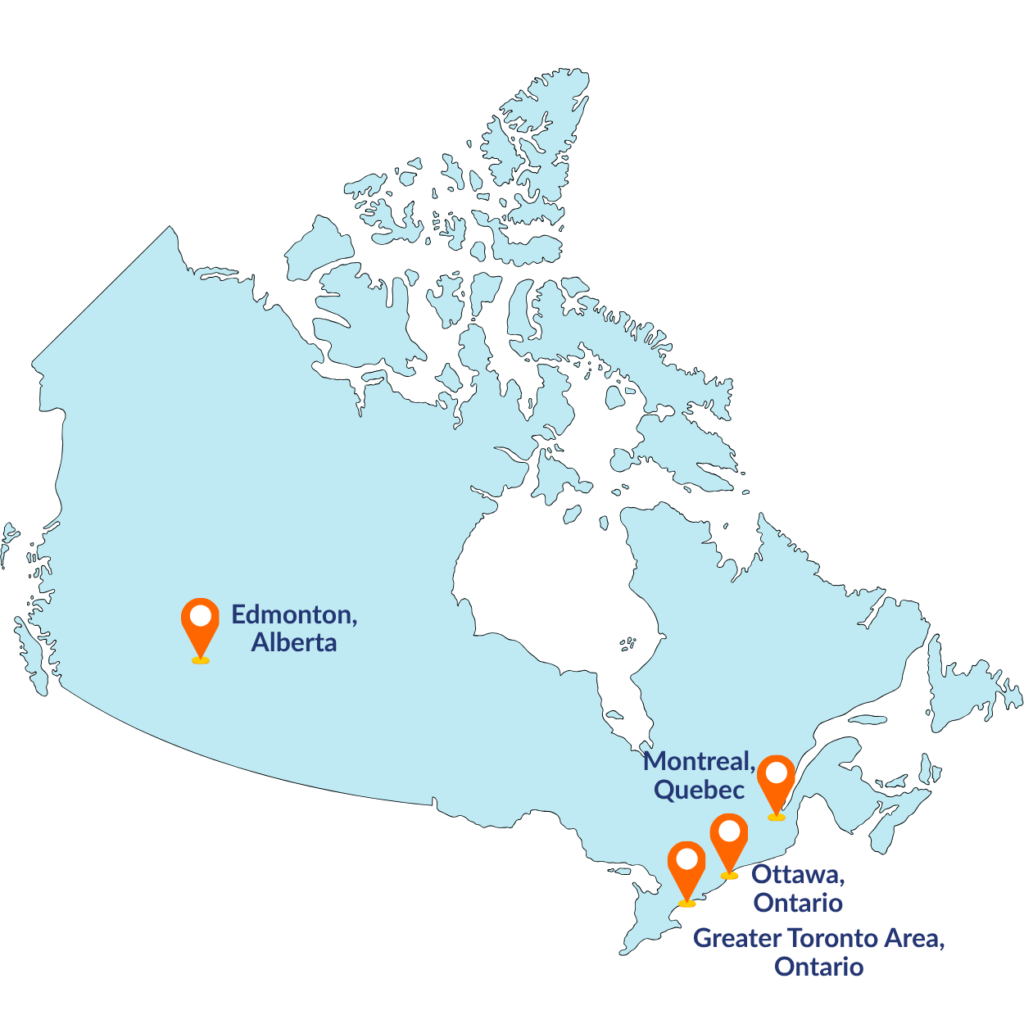
This multiphase study draws on mixed methods and design‑based research across second and additional language classrooms in four regions of three major Canadian provinces. By examining classroom realities, identifying shared challenges, and centring teacher experience, the project aims to illuminate the systemic and contextual conditions that shape curricular innovation.
AALE Draws from Three Pillars ℹ️
Action-oriented Approach
The action-oriented approach takes task-based learning to a level where the class and the outside world are integrated in genuine communicative practices that emphasise learner agency. The action-oriented approach promotes the organisation of learning through realistic, unifying scenarios, which span several lessons and lead up to a final collaborative task/project.
Plurilingualism
Plurilingualism is a key concept in language education that highlights the dynamic linguistic repertoire of individual learners and the fact that languages are not learned in isolation, but all language knowledge, even if tiny, shapes learners’ linguistic profiles.
Tech-mediated
The technology-mediated instruction supports innovative language education practices with the use of a wide array of digital tools and resources, and has a key role in this project to anchor both plurilingual pedagogies and an action-oriented approach to allow for enhanced teacher and learner agency supported by digital technologies.
Learn More About AALE From Our Principal and Co-Principal Investigators 💡
AALE’s Two Interconnected Goals 🧩
1.

To investigate factors (enablers and obstacles) that impact teachers’ agency in shifting from treating languages as objects of study to languages as resources for communication and action.
2.

To facilitate this shift through the collaborative development of principles for technology-mediated action-oriented approaches applicable to diverse teaching traditions and contexts.
Three Research Objectives 🎯
In order to achieve these goals, the AALE project aims to identify and understand the barriers and facilitators to adopting plurilingual, action-oriented and technology-mediated teaching strategies by addressing the following objectives:
Research Objective 1
Study the beliefs of teachers, their knowledge, practices and current realities in order to understand factors that facilitate/impede the adoption of holistic, action-oriented and technology-mediated pedagogies. Also, investigate the extent to which teachers currently leverage learners’ existing linguistic/cultural resources to support their language learning process;
Research Objective 2
Collaborating with teachers to identify the most relevant, viable and effective professional development (PD) resources and strategies to be used/adapted across contexts and languages that will be made available through an open-access online toolkit. Such a toolkit could include a customizable collection of resources/strategies, and peer mentoring within an online Community of Practice (CoP) to support teacher- led pedagogical innovations;
Research Objective 3
Examine and evaluate the capacity of these PD resources and strategies to initiate and sustain action-oriented language teaching innovation both in face-to-face and online modalities in different contexts and language teaching traditions.